NML convenes industry, academia and regulators to identify the standards, data and measurement capabilities needed to support safe innovation, scale-up and growth in UK engineering biology.
Engineering biology is one of the most transformative technologies of our time, revolutionising how we address society’s most urgent challenges, from sustainable food systems and cutting-edge biomedicines to clean growth and environmental resilience. Advancing engineering biology responsibly requires robust metrology, the science of measurement, at its foundation.
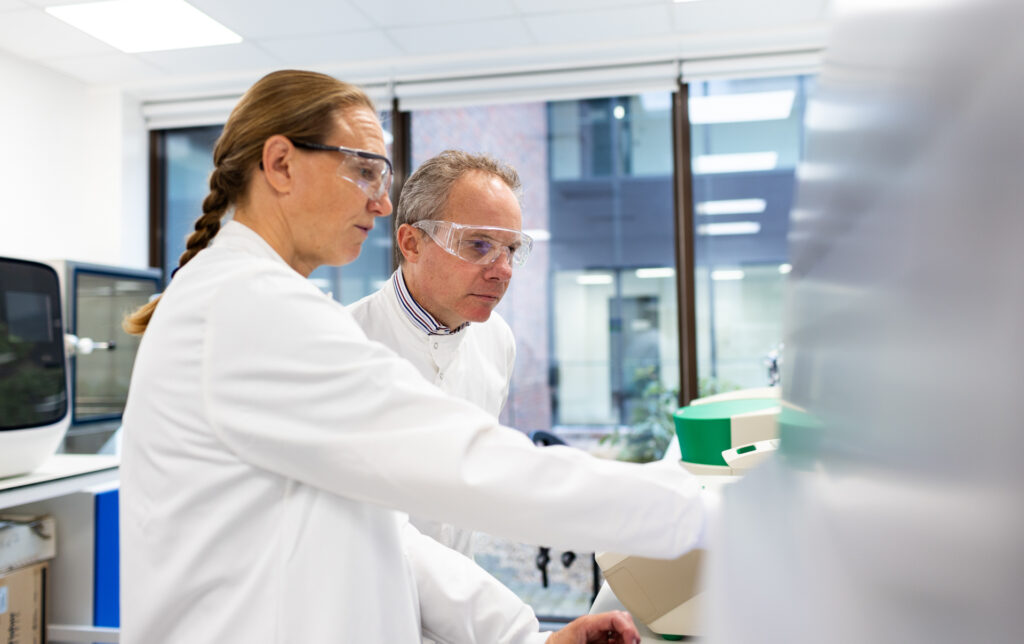
The workshop brought together representatives from academia, research organisations, industry, regulatory bodies and funding organisations. Speakers included experts from the Environmental Biotechnology Innovation Centre (EBIC), The Pirbright Institute, the UKRI-funded CYBER Engineering Biology Mission Award, Edinburgh Genome Foundry and GitLife Biotech, as well as views from the NML. Discussions focused on the measurement foundations needed for early-stage research, proof of concept and scaling up, as well as the frameworks required to support compliance and biosecurity.
As discussions highlighted, significant gaps remain in the standards needed to support regulatory acceptance of engineering biology applications and stronger coordination of data sharing, standards development, and skills training is required to support innovation while maintaining biosecurity and public trust.
“There is currently no single standard that feeds into regulators for environmental applications that covers demonstrating reproducibility, traceability, and transparency. So for EBIC, it’s quite critical to get NML on board because we need to get these tools in place.”
Frederic Coulon, Director of Environmental Biotechnology Innovation Centre (EBIC)
The Workshop Report captures the key themes emerging from the workshop and sets out recommendations to help strengthen the UK’s measurement science landscape for engineering biology. These findings will inform delivery of the EngBioMet network
To stay updated on future activities, reports and events, follow EngBioMet on LinkedIn