
Healthcare Scientists Knowledge Transfer Partnership (HCS KTP)
The HCS KTP Programme offers a unique opportunity for healthcare scientists from across the UK to build long-term partnerships between clinical, research and industry teams at leading centres of excellence in science and technology.
Apply for Round 5

In partnership with other UK National Measurement System (NMS) organisations, the United Kingdom Accreditation Service (UKAS), and the UK healthcare systems (NHS England, NHS Wales, NHS Scotland and Health and Social Care Northern Ireland), we provide world-leading measurement and accreditation expertise to the UK’s healthcare systems, driving innovation to support world-class healthcare.
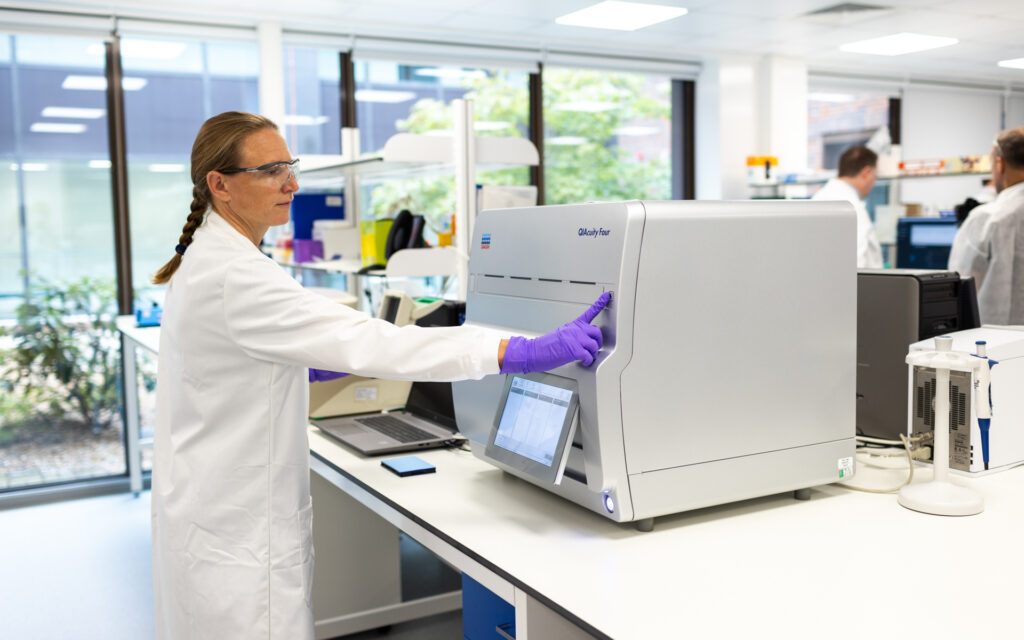
Calling leaders and aspiring leaders in healthcare science
This 18-month initiative provides additional scientific support for healthcare scientists across the UK to deliver innovative science-led projects that strengthen delivery of their current roles and that align with healthcare system priorities- all while they remain fully involved in clinical practice.
By encouraging early collaboration and structured knowledge exchange, the programme helps to fast-track new ideas with real value. It supports the identification, development, validation and dissemination of innovations that improve patient outcomes, make services more efficient, and contribute to economic growth and investment in the UK life sciences sector.
Applications for Round 5 are open
Apply now
Applications for Round 5 of the Healthcare Scientists Knowledge Transfer Partnership programme are open until 13 July 2026.
For more information, please contact HCS-KTP@LGCGroup.com

Round 5
The programme themes for Round 5 contribute to addressing key healthcare priorities across the UK’s healthcare systems.
Successful applications will be aligned with strategic themes:
- Genomics and precision medicine – streamlining healthcare services by simplifying processes and adopting innovative, science-driven approaches that improve efficiency, enhance patient care, and modernise clinical practice
- Digital health and AI – leveraging high-quality data and digital technologies to improve clinical decision-making, streamline care delivery, and integrate AI directly into patient pathways for more accurate, efficient, and personalised healthcare
- Prevention, early diagnosis and therapeutics – improving diagnostic pathways and preventative strategies through the identification and application of biomarkers, while ensuring the safety and efficiency of therapeutics
Would you like to be at the forefront of making scientific innovation an intrinsic part of delivering a world-class healthcare system?
Successful Healthcare Scientists Knowledge Transfer Partnership programme applicants will have the opportunity to:
- Affect real change within clinical practice, helping to transform the UK healthcare systems to be more sustainable and responsive to patient needs
- Develop strong, enduring relationships across the scientific community to address pressing health challenges and accelerate the adoption of healthcare innovations both locally and nationally
- Contribute nationally by engaging with senior scientific leaders across the UK healthcare systems and other national governance structures
- Broaden understanding of and engagement with the UK’s research, development and innovation system by engaging within senior leaders across the UK National Measurement systems (NMS), Medicines & Healthcare products Regulatory Agency (MHRA) and United Kingdom Accreditation Service (UKAS)
Frequently asked questions
Are there costs associated with this opportunity?
Contributions from partners (NML, NPL, UKAS, MHRA) will be fully supported through existing programmes and resources. Candidates will gain access to measurement infrastructure and expertise as part of the programme.
Unfortunately travel and expenses cannot currently be claimed through the programme.
Am I eligible to apply?
The programme is open to healthcare scientists operating within a Trust or private provider of healthcare system diagnostic services in England, Northern Ireland, Scotland and Wales. Applicants must be currently employed as healthcare scientists and have an undergraduate or master’s degree in a relevant subject.
A DClinSci, FRCPath or PhD in a relevant subject is desirable but will not be considered essential.
You must have the support of your line manager to submit an application.
Can employees of NMS organisations apply?
To avoid conflict of interest, eligible Healthcare Scientists employed by the NMS laboratories are excluded and may not apply for the positions.
How much time will I need to commit to the programme?
Associates should plan for approximately 10 dedicated days, embedded within their day-to-day work, to support project development and delivery. This may include time spent working directly in partner laboratories to enhance operational understanding and collaboration.
Our impact:
Supporting standardisation of genomic medicine across UK Genomic Laboratory Hubs
We advanced the standardisation of emerging genomic technologies within the UK healthcare system by supporting efforts to coordinate quality control, benchmarking and knowledge‑sharing across UK Genomic Laboratory Hubs. Through workshops and inter‑laboratory study coordination, we helped address challenges in implementing new testing approaches, such as liquid biopsies, into routine clinical services. This work strengthens the reliability and comparability of genomic testing nationwide and supports the effective translation of technological advances into patient care.
Standardising molecular precision for acute myeloid leukaemia care
We strengthened the accuracy and comparability of measurable residual disease (MRD) testing for acute myeloid leukaemia by supporting national efforts to standardise molecular approaches across clinical laboratories. By working with clinicians and scientists, molecular test and quality material manufactures to identify priorities and propose standardisation pathways, we helped shape recommendations for the development of WHO International Standard reference materials for frequently tested AML biomarkers. This work embeds measurement traceability within EQA scheme, supporting better relationships between measurement science and healthcare providers, and ultimately contributes to better clinical decision‑making and patient outcomes.
Finding harmony in newborn blood spot screening health
Our work has strengthened the reliability and consistency of the UK’s Newborn Blood Spot Screening programme, which supports more than 700,000 babies each year. By improving measurement methodologies and driving harmonisation across 14 laboratories, we have helped reduce the risk of false positive results- minimising unnecessary stress for families and avoiding avoidable clinical interventions. Through the development and international adoption of traceable standards, our expertise has extended beyond the UK, influencing best practice across Europe and supporting global alignment in the diagnosis and monitoring of inherited metabolic disorders. This work has enhanced confidence in screening results, ensuring earlier and more accurate diagnosis, and enabling effective treatment from the earliest stages of life.
Previous projects
Round 4 projects
James Hawley, Principal Clinical Scientist, MRC Chain-Florey Clinical Research Fellow, Manchester University NHS Foundation Trust
Project title: Urine steroid metabolomics (USM) for the differential diagnosis of adrenal tumours
Adrenal tumors are detected in up to 7% of cross-sectional imaging studies, which have limited specificity for diagnosing adrenocortical carcinoma (ACC). Urine steroid metabolomics (USM), a sensitive and specific tool for detecting ACC, was first established by combining multi-steroid profiling using gas chromatography-mass spectrometry (GC-MS), a complex and labor-intensive low-throughput method, with a machine learning-based diagnostic algorithm.
To improve assay throughout, USM has been transferred to liquid chromatography-tandem mass spectrometry (LC-MS/MS) and prospectively validated in 2017 patients with adrenal masses. This has unequivocally proven that USM is superior to existing testing strategies and can significantly improve diagnostic accuracy.
Thus, implementation of this assay will improve the identification of ACC and reduce the number of unnecessary surgeries for benign adrenocortical adenoma. However, before this assay can be translated into routine practice it is necessary to improve the standardisation of the calibrators. This is essential as the accuracy of the machine learning algorithm is exquisitely dependent on the reproducibility of the calibrators.
Therefore, the primary objective of this research is to establish accurate concentrations of the calibration materials using quantitative nuclear magnetic resonance (qNMR). This will ensure results are traceable to SI units through an unbroken chain of calibration and will be essential to introducing the assay across multiple sites.
Successfully producing calibrators traceable to a higher-order methodology will also contribute towards the secondary objective of this research, that is achieving UKAS and MHRA accreditation of USM as a diagnostic test.

Zoe Barclay, Principal Clinical Scientist, Synnovis Analytics
Project title: Acylcarnitine Analysis Harmonisation: Development of Acylcarnitine Reference Materials
Acylcarnitine analysis is measured in laboratories across the country and is helpful in the evaluation of a wide-ranging patient group, including infants and neonates. The test is primarily used in order to detect and monitor a set of metabolic disorders termed fatty acid oxidation disorders and organic acidemias. This set of disorders can present with episodes of acute life-threatening illness, and are difficult to detect clinically. As such, diagnosis of these conditions is predominantly performed on the basis of laboratory results, of which acylcarnitine analysis is a key element. An effective acylcarnitine biochemical test is therefore essential for patient diagnosis and management.
An accepted limitation of the assay is a lack of commercial acylcarnitine reference materials of known value which can be used to assess the accuracy of laboratory measurement in addition to how they compare with other laboratories. There is also a wide variety of methods with which acylcarnitine analysis can be performed, all of which can contribute to a variation in results between different laboratories. The resulting lack of standardisation and harmonisation provides little reassurance as to the accuracy and commutability of acylcarnitine quantification.
This project aims, in collaboration with the National Measurement Laboratory and Medicines and Healthcare products Regulatory Agency, to produce acylcarnitine material for which the quantity of acylcarnitine is accurately determined. Furthermore, the project will aim to establish the baseline spread of acylcarnitine results between laboratories. The reference materials will then be distributed with the aim to assess whether the accuracy and harmonisation of laboratories can be improved with these materials.
The longer term vision will be to use the findings of the project to produce best practice guidelines for the analysis of acylcarnitines, which will recommend the preferred methodology and materials required for effective, precise and accurate acylcarnitine quantitation. The aim is thus to harmonise acylcarnitine measurement throughout the UK, minimising the risk of result misinterpretation, patient misdiagnosis and ultimately improving the quality and safety of patient care.

Marcus Pond, Clinical Scientist: Virology, North West London Pathology
Project title: Development of materials for CMV RNA diagnostics
This initiative aims to enhance RNA quantification methodologies for monitoring DNA virus infections during antiviral treatment by leveraging knowledge exchange between the UK’s National Measurement System (NMS) and the United Kingdom Accreditation Service (UKAS). The focus is on Letermovir, a recently approved antiviral drug for preventing Cytomegalovirus (CMV) reactivation in transplantation scenarios. However, RNA testing methodologies for monitoring CMV transcriptional activity are not widely utilised in NHS diagnostic virology services due to the lack of RNA control materials for CMV.
The project plans to collaborate with NMS and UKAS to develop and validate CMV RNA control materials mimicking CMV RNA transcription during viral reactivation. The initiative involves collaborative development, rigorous validation, expert consultation, collaborative publications, webinars, network engagement, integration into quality assurance systems, communication with UKAS, and documentation preparation.
The project anticipates the successful development and validation of CMV RNA standard materials, integration into NHS clinical virology protocols, and alignment with accreditation requirements.
By implementing this dissemination plan, the project aims to share knowledge and materials, facilitating their integration into the wider NHS clinical virology system and accreditation processes. The vision entails a transformative impact on healthcare, research, innovation, organisational efficiency, and professional advancement within the clinical virology community.

Billy Wood, Clinical Scientist, Hywel Dda University Health Board
Project : TriTech Institute and Innovation, specialising in research and evaluation of medical devices and software
The TriTech Institute at Hywel Dda University Health Board (HDUHB) are working on design and development projects with the respiratory teams in the health board to address the challenges that clinicians and patients have raised. These projects stem from patient and clinician needs, where there are no commercial solutions available, or they have been discontinued. Requests have also received from other clinicians who need solutions for specific challenges in a short time frame, including one-off solutions for patients with complex neurological disorders.
TriTech are currently collaborating with local academic partners (Assistive Technologies Innovation Centre, ATiC, part of the University of Wales, Trinity St. David) who are providing prototyping and design support and the projects are being risk managed under ISO 13485. This research aims to build upon the existing guidance from the Institute of Physics and Engineering in Medicine (IPEM) for in-house manufacture of medical devices. Developing a national framework for designing, building, and clinically testing in-house medical devices that benefit our patients in a safe and fast way, especially where there are no commercial alternatives.
The aim is to work with other partners in the NHS and collaborate with the NMS/UKAS to enhance our knowledge of how to create in-house medical devices more efficiently and quickly while showing economic and patient outcome benefits. Developing guidance that makes this process consistent will help to make sure that more health boards and trusts can acquire and use the skills and knowledge needed to make in-house devices that address unmet clinical needs.

Chris Harrington, Deputy Director SAS Trace Element Laboratory, Deputy Director UK NEQAS for Trace Elements and Peptide, Royal Surrey NHS Foundation Trust
Project : Investigation into the Feasibility of Mass Spectrometry Platforms to Improve the Traceability of Clinical Measurements
Methods based on mass spectrometry (MS) can now reach the low detection limits required for the direct measurement of clinical biomarkers, even in the presence of complex matrices. However, there has been a lack of appreciation of the merits of using the combination of organic and inorganic MS to improve clinical measurements, in particular, how their combined use can unlock greater potential for improvements in traceable measurements.
To demonstrate this potential, we will investigate a structured approach to the combination of organic and inorganic MS to underpin routine measurements in NHS laboratories. To investigate the strengths and weaknesses, we will develop a proof-of-concept based on the measurement of serum (metallo) proteins in disorders of metal metabolism with a genetic origin.
A currently available method for the measurement of serum proteins using high performance liquid chromatography (HPLC) separation, coupled to an inductively coupled plasma MS (ICP-MS/MS) detector, focused on the measurement of ceruloplasmin (CP) – the main copper containing protein in serum, which is lower in patients with Wilson disease (WD).
This method had some distinct advantages over the routine method for the measurement of holo-CP based on immunochemistry and nephelometry. At the low CP levels (<10 mg dL-1) in WD patients, the immunochemical method overestimates the concentration of holo-CP due to the high concentration of apo-CP present. This is important because the level of CP is used as part of the diagnosis of WD.
In another example of how this approach can be used, an HPLC-ICP-MS/MS method for the quantification of serum proteins by measurement of the heteroatom sulphur present in the amino acids cysteine and methionine, has shown considerable promise for the measurement of albumin in liver patients, with a low albumin present in icteric samples, which were not measurable by spectroscopic methods. In acute liver failure (ALF) patients, bilirubin levels are often high, adversely affecting measurements by routine methods. Albumin is an important indicator of liver function and is often low in ALF patients. The use of HPLC-ICP-MS/MS can accurately measure low albumin levels in the presence of bilirubin.
The aim of this work is to improve the traceability of clinical measurements, by developing methods based on inorganic MS that can be calibrated using elemental standards. Organic MS will be used to better understand the uncertainties associated with using a “generic” elemental standard as a replacement for a specific protein isoform.
Round 3 projects
.jpg?lang=en-GB)
David Hall, Consultant Nuclear Medicine Physicist, Head of Nuclear Medicine Physics Group
Project: Quantitative SPECT/CT for dosimetry and diagnosis
Molecular radiotherapy (MRT) is a form of radiotherapy that utilises a radioactive medicine to deliver radiation to tissues to p
rovide information about and to treat specific diseases. For other forms of radiotherapy, the dosage is prescribed accurately for the individual patient, whereas the dosage for MRT is generally the same for each patient. It is now a legal requirement in the UK that MRT should be individually planned, with the amount of radioactivity tailored to the patient and adjusted based on ongoing monitoring.
The partnership between David Hall, NPL and UKAS will initially focus on using MRT for cancer treatment with the aim of developing the diagnostic service so that treatment is tailored to the patient to improve patient outcomes.
The project will also help develop research which will have national and international impact, whilst exploring how this can be done with as little impact on patients as possible, for example by using home monitoring, or scanning closer to home.

Ian Butler, Clinical Scientist, Bart’s NHS Trust – The Royal London Hospital
Project: Standardisation of 16S and 18S rRNA gene sequencing by Oxford Nanopore Technology
Polymerase Chain Reaction (PCR) and sequencing of 16S and 18S ribosomal RNA (rRNA) gene targets is currently used to diagnose culture negative bacterial and fungal infections from samples from sterile sites such as cerebrospinal fluid, joint fluids and tissue biopsies in a number of laboratories in the UK. This type of assay is performed using a variety of different protocols, which leads to inter-laboratory variations in the sensitivity and specificity of this assay.
Newer third generation sequencing methods, such as Oxford Nanopore technology (ONP), offer an improvement in speed and reliability of this diagnostic assay and give the opportunity to detect mixed communities of bacteria and/or fungi by enabling metagenomic sequencing to be carried out in a routine diagnostic microbiology laboratory. Metagenomic sequencing by ONP technology can also be used for microbial profiling in non-sterile sites, such as the gut and its microbiome, to better understand the contribution of these microbial communities to chronic inflammatory and auto-immune diseases such a systemic lupus erythematous, inflammatory bowel disease and Parkinson’s disease.
The NML, MHRA and UKAS are partnering with Ian Butler to design and develop an end-to-end quality assurance and sample testing framework for the validation and implementation of 16S and 18S rRNA gene sequencing by ONP. Standardisation of 16S and 18S rRNA gene sequencing will improve patient care and management by ensuring that inter-laboratory variation in methodology and quality assurance is significantly reduced. It also allows for significantly reduced morbidity and mortality in patients by proper identification of the causative agent of an infection and initiation of targeted therapy sooner.

Mary Alikian, Principal Clinical Scientist, Birmingham Children’s and Women’s NHS Trust
Project: Bridging the Gap between Technological Advances and Standardised Clinical Implementation
Advances in new technologies in addition to large scale projects such as the 100K Genome Project (100KGP) have paved the way for the accelerated implementation of translational technologies into routine clinical service, breaking the conventional lag that accompanies this process.
Long read sequencing, copy number variant analysis using sequencing technologies are all novel methods that bring unique benefits to patient outcome. A critical aspect inherent to these technologies is the lack of quality metrics and control materials that can minimise false negative reports. The need for quality control and standardization is often what prevents hasty clinical adoption of new technologies.
The NML, MHRA and UKAS are partnering with Mary Alikian with the aim to bridge the gap between the technical advances and their standardised implementation into clinical service. The objective is to conduct a survey scoping the quality-related culture across the network of seven Genomic Laboratory Hubs (GLHs).The longer-term vision formulates around building on the findings from the survey and empowering a focused working group to set priorities and action points, provide expert guidance and form a collaborative community encouraging knowledge transfer, training, and cross-GLH standardisation of novel technologies.

Sarah Misson-Yates, Head of Dosimetry and Computing, Guy’s and St Thomas’s NHS foundation Trust
Project: Data sharing and protocols for quality improvement through national networks
Radiotherapy treatments are planned to maximise the radiation dose to the tumour volume and minimise the dose to organs at risk, to ensure that as much of the tumour is eradicated as possible whilst limiting the damage to normal tissues. Prior to commencing a new treatment technique or joining a clinical trial, radiotherapy centres should have a dosimetry audit to ensure the patient’s treatment can be delivered safely within the set limits.
NPL have been undertaking dosimetry audits for over 30 years for new techniques and are developing a centralised database for audit reports and results called DAART (dosimetry audit for advanced Radiotherapy). Audits for standard techniques, new equipment and routine annual audits are undertaken by the Institute of Physics and Engineering in Medicine’s (IPEM) Interdepartmental Dosimetry Audit Group (IDA).
For newer techniques, ongoing audit is not directly funded, so regions develop their own local protocols to assess centres maintenance of standards, preventing wide adoption of one national protocol. This also prevents direct comparison of data between centres to ensure that the dosimetric accuracy of patients’ treatments are being maintained and improved.
The partnership between Sarah Mission-Yates, NPL and UKAS will provide a direct collaboration with the IPEM IDA to develop national dosimetry audit protocols which can be delivered by the IDA to provide ongoing safety checks.
The project will also allow for the DAART database to be developed to include IDA audit data so that centres can access their audit data in one location.
These outcomes will complete the radiotherapy dosimetry audit cycle providing additional safety checks on the delivery of patient’s treatment throughout the UK and enable the ability of centres to track their data in a centralised location.
Stuart Scott, Centre Manager, UK NEQAS for Leucocyte Immunophenotyping
Project: Standardising acute myeloid leukaemia minimal residual disease testing
Measurable residual disease testing allows the detection of extremely low levels of malignant cells remaining after cancer treatment. It can be used to predict which patients will relapse and which will maintain their remission.
There are several exciting new treatments becoming available for patients with acute myeloid leukemia (AML). To assess the effectiveness of these treatments within clinicals trial highly accurate measurable residual testing is required which is comparable between laboratories.
The partnership between Stuart Scott, NML, MHRA and UKAS will assess the need for standardisation of this measurable residual disease testing for AML.
The project will also draw on the expertise of the NHS and research scientists who developed the first WHO International Genetic Reference Panel for Quantitation of BCR-ABL1 mRNA in Chronic Myeloid Leukemia – a previous collaboration with MHRA that has played an important role in the remarkable improvements seen in life expectancy in this disease.
Ultimately the project will look to improve testing for AML measurable residual disease testing, improving the accuracy of clinical trials and facilitating better patient management.
Round 2 projects
Kathryn Harris, Great Ormond Street Hospital (GOSH) NHS Foundation Trust
A new generation of diagnostic techniques are starting to be adopted by clinical laboratories. These techniques are potentially game-changing for laboratory medicine; however standardisation is critical for successful adoption into routine testing. In particular, Next Generation Sequencing (NGS) can be used to detect antimicrobial resistance (AMR) by examining the genomes of bacteria. However, one potential limitation of this NGS technique is the time it takes to produce a result, with the large batch sizes required to make the testing cost efficient being a major factor in this.
The NML partnered with Dr Kathryn Harris, Principal Clinical Scientist at Great Ormond Street Hospital (GOSH) NHS Foundation Trust to evaluate the use of more rapid techniques (nanopore sequencing) for detection of Antimicrobial Resistance (AMR) and to provide standardisation of the method.
A workshop was delivered in September 2019 at the Royal Free Hospital, UCL to clinical laboratory scientists that showcased the rapid portable sequencing technology platform (MinION), providing information on how to use the technology in clinical scenarios.
Data has been transferred to the sequencing facility at GOSH to determine the performance characteristics of the method to present a successful business case to the Trust to embed the technology into routine service. There are further plans to look at how the application of sequencing approaches can impact on patient management as part of a larger National Institute for Health Research (NIHR) application.
The impact of this project to patients includes rapid, near-patient testing, reduction in cross-transmission of AMR infections in hospitals and the wider societal benefits of reducing AMR globally.
The NML and Dr Kathryn Harris continue to collaborate and are working on applying this technology in clinical scenarios with a new EMPIR project focused on metrology to enable rapid and accurate clinical measurements in acute management of sepsis.

Isabelle Delon, East NHS Genomic Laboratory Hub
Clinical genomic laboratories perform hundreds of tests that help inform patients of the likely cause of their symptoms or predict the severity of disease to inform treatment. As genomic testing becomes part of mainstream medicine, the requirement for improved test quality and comparability is increasing.
In a joint project, Dr Isabelle Delon FRCPath, Lead Clinical Scientist at the East NHS Genomic Laboratory Hub, the NML, NIBSC and UKAS have established a group comprising healthcare genomic scientists, measurement and accreditation experts. With this group we are developing a reference document offering accessible background information, physical reference materials, and practical guidance for comprehensive evaluation of measurement uncertainty in genomic laboratory tests.
A workshop was delivered in September 2019 on the application of measurement uncertainty in clinical genomic testing to inform and engage with the clinical community. The workshop, attended by over 70 scientists from the UK and Europe working in genomic testing, discussed the needs and drivers for establishing a coherent and unified approach. The proposed framework was presented and its application discussed in the context of tests for cancer validated under a second NHS KTP based at the North West Genomic Laboratory Hub.
As a result of this partnership, the reference document will offer expert practical guidance for clinical genomic laboratories to comply with regulatory requirements and assure the quality of clinical genomic measurements.

Joanne Adaway, Manchester University Hospital NHS Foundation Trust
Aldosterone is used, along with plasma renin activity, for the diagnosis of primary hyperaldosteronism (excess production of aldosterone by the adrenal glands) in patients with hypertension. lt is thought that up to 10% of patients with hypertension may have primary hyperaldosteronism, which is managed differently to other forms of hypertension, however there is currently no reference method available for aldosterone in the UK. Diagnostic cut-offs for primary hyperaldosteronism differ widely between laboratories, with a variety of different methods being used for the quantification of hyperaldosteronism including immunoassay and mass spectrometry.
Reference ranges used are often not appropriate or method specific, as NHS laboratories do not have the resources to develop in-house reference ranges appropriate for their methodology, therefore accurate interpretation of results is difficult.
The NML partnered with Dr Joanne Adaway, Principal Clinical Scientist at Manchester University Hospital NHS Foundation Trust to develop a reference method for aldosterone. The method developed for the value assignment of aldosterone in plasma is being validated against our ISO17025 accreditation with the aim to progress to value assignment for a Proficiency Testing scheme. This will help standardise aldosterone measurement throughout the UK thus minimising misinterpretation of results and misdiagnosis of patients and improving the quality of patient care.
Partner organisations
NHS England
Professor Dame Sue Hill is the head of profession for the 50,000-strong Healthcare Science workforce. The workforce provides the scientific backbone of NHS and Public Health services, working across the four divisions of laboratory (pathology) sciences, physiological sciences, medical physics and clinical engineering, and bioinformatics.
The Office of the Chief Scientific Officer is situated within NHS England. It has a broad portfolio of professional activities incorporating cross-system advisory functions, commissioning, quality and assurance, clinical leadership, innovation and emergent technologies, and public engagement in STEM.
For further information about the Office of the Chief Scientific Officer, please see the NHS England website.
NHS Wales
Welsh Government is the devolved government for Wales. Led by the First Minister, Welsh Government is supported by civil servants who work across devolved areas that include key areas of public life such as health, education and the environment.
Welsh Government funds the public funded National Health Service of Wales providing healthcare to some 3 million people who live in the country. Welsh Government sets the Health Care strategy and NHS in Wales delivers that strategy and services via the seven Local Health Boards, three NHS Trusts and two Special Health Authorities. The NHS has a key principle which is that – Good healthcare should be available to all.
NHS Scotland
Scotland’s Chief Scientific Officer is the head of profession for the healthcare science workforce in Scotland, providing expert, professional advice to ministers and government on all aspects of healthcare science, including where there are impacts relating to the scientific workforce within the NHS in Scotland. This remit covers areas such as education, research and clinical practice.
The Chief Scientific Officer for Scotland is also responsible for the strategic oversight and direction for healthcare science policy and leads on international health issues from a HCS perspective in Scotland.
For further information, please see the Scottish Government website.
Health and Social Care, Northern Ireland
The Chief Scientific Advisor to the Department of Health, Northern Ireland (DoH NI) and Director of Research and Development for Health and Social Care in Northern Ireland provides leadership to the healthcare science workforce across the Health and Social Care (HSC) sector enabling the provision of high quality evidence to improve care for patients, clients and the general population, adding to our knowledge and understanding of health, disease, diagnoses, treatment and care.
The National Measurement System
The National Measurement System (NMS) provides the UK with an infrastructure of laboratories that deliver world-class measurement science and technology and provide traceable and increasingly accurate standards of measurement.
The NMS is delivered through the Department for Science, Innovation and Technology (DSIT). This programme is supported by three of the measurement institutes that deliver the expertise as part of the NMS:
- National Measurement Laboratory (NML)- Hosted at LGC, the NML is the UK’s Designated Institute for chemical and biological measurement, delivering world-leading chemical and biological measurement capabilities that ensures data, products and services are accurate, reliable and internationally comparable.
- National Physical Laboratory (NPL)- The UK’s National Metrology Institute, and a world-leading centre of excellence in developing and applying the most accurate measurement standards, science and technology available.
- Medicines and Healthcare products Regulatory Agency (MHRA) Science Campus- Part of MHRA, an executive agency, sponsored by the Department of Health and Social Care and regulates medicines, medical devices and blood components for transfusion in the UK.
UKAS
UKAS Accreditation within the health and social care sector provides reassurance to patients, commissioners and health and social care providers that the service that is being provided has been independently evaluated against recognised standards and has achieved a national mark of quality. Accreditation supports consistency in the quality of care, and provides a mechanism for measuring quality improvement with quality patient outcomes at its core.
The influence and use of UKAS Accreditation in healthcare continues to grow across a wide range of areas including pathology laboratories, point of care testing services, imaging services, physiological sciences, adult care homes and dental providers. New areas of accreditation are currently being developed to cover medical physics and clinical engineering, and clinical service certification. Further information is available on the UKAS website.
Resources

Get in touch
If you’re interested in exploring partnership opportunities with the NML or learning more about our measurement capabilities, we’d love to hear from you.